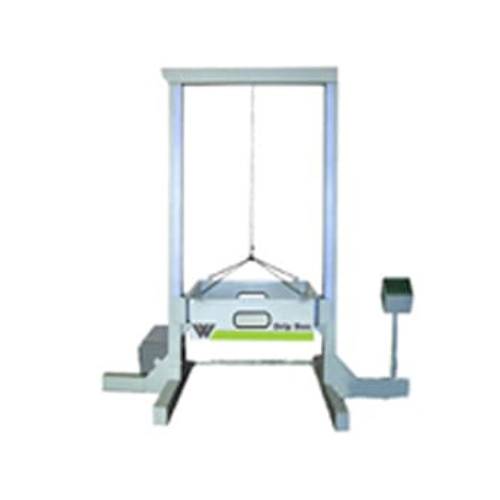
IP X1,X2 Test Chamber
Explore IP X1,X2 Test Chamber models, product information, configurations and available options.
Price on
requestConfigured to your requirement · Quote in 24 h

Browse the individual Rain Test Chambers models available in the ACMAS Weiber product range.
Explore IP X1,X2 Test Chamber models, product information, configurations and available options.
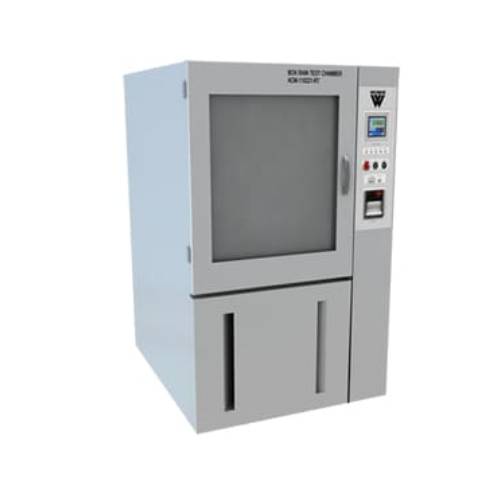
Explore IP X3,X4 Test Chamber models, product information, configurations and available options.
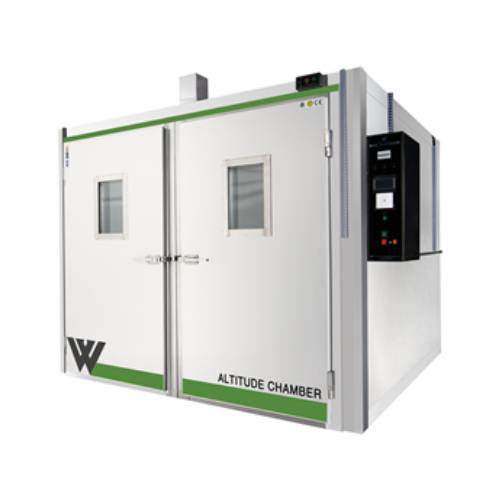
Explore IP X5,X6 Test Chamber models, product information, configurations and available options.
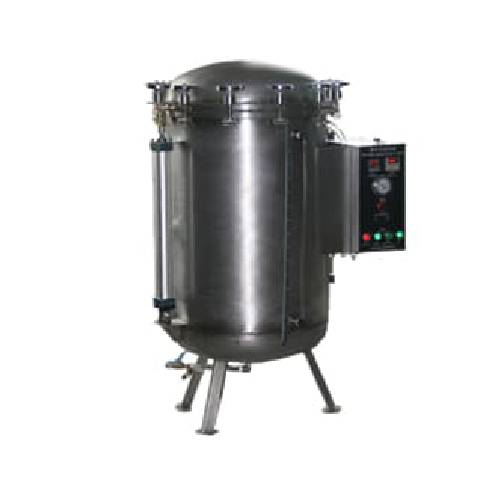
Explore IP X7,X8 Test Chamber models, product information, configurations and available options.
Explain the purpose of a Rain Test Chamber and how it creates controlled water exposure for testing components, enclosures, assemblies, and finished products.
Describe how controlled spray patterns, water flow, exposure duration, and test angles can support repeatable evaluation. Clarify that the appropriate test configuration depends on the intended test method and applicable standard.
Explain the basic testing process in clear, technically accurate language:
Do not invent specific operating ranges, water pressures, flow rates, rotation speeds, or controller capabilities.
Describe relevant features that buyers may consider, including:
Customization according to sample dimensions and testing requirements.
Present these as general equipment considerations unless the actual ACMAS product specifications confirm that a particular feature is available.
Explain applications in the following sectors:
Avoid implying that one chamber configuration can test every product or satisfy every industry requirement.
Rain testing may be required for products evaluated against specific water ingress protection classifications. Under IEC 60529, the general distinctions include:
Each classification involves specific requirements for water exposure, specimen positioning, test duration, and evaluation. The testing equipment must be configured appropriately for the required method.
Not every Rain Test Chamber automatically supports all IPX classifications. Buyers should verify equipment compatibility with the relevant edition of IEC 60529 or the specific standard required for their products.
Choosing the right Rain Test Chamber requires careful consideration of the intended application and testing requirements. Buyers should evaluate the following factors before making a purchase:
Clearly defining these requirements helps buyers select equipment that matches their testing objectives.
ACMAS Technologies provides testing equipment solutions for industrial and laboratory applications. Its Rain Test Chamber offering is intended to address water resistance testing requirements across relevant product categories and industries.
Selecting a suitable configuration involves understanding the product being tested, the required water exposure conditions, specimen dimensions, and the applicable test procedure. Discussing these details with the equipment supplier helps establish the appropriate chamber configuration for the intended application.
Explore the product page to learn more about Rain Test Chambers from ACMAS Technologies.
Looking for a suitable Rain Test Chamber for your industrial or laboratory testing requirements? Contact ACMAS Technologies to discuss your application, specimen dimensions, required test methods and equipment configuration. Request product details and a quotation to identify a suitable solution for your water resistance testing needs.